Man with van in Kentish Town

We provide man with van in Kentish Town for practical local moves, collections and deliveries that need careful handling rather than a full-size removals team. This service suits furniture pick-ups, flat moves, single-item transport and mixed loads that need a van with loading help. The aim is straightforward: move items safely, keep the process organised and give customers a clear way to request a quotation.
Our service can suit households, landlords, tenants, tradespeople and small businesses that need flexible transport for items of different sizes. It is especially useful when you want a measured approach rather than overcommitting to a larger vehicle than the job needs. If you are planning a move or a one-off collection, you can explore the relevant service pages and request a quote when you are ready.
From a single sofa to a fuller room move, the work is planned around access, item size and the order in which things should be loaded. Where a customer needs wider support, related pages such as removal services and home moves explain broader options without making the process more complicated than it needs to be. The focus here remains on a useful, local van-based service that is easy to organise.
Household moves and room-by-room transport
House moves carried out with a van are often best for smaller homes, flats, studios and partial relocations where a full-scale removals operation would be unnecessary. The service can cover furniture, boxes, soft furnishings and other household items that need careful loading and sensible packing order. For larger domestic work, the pages on house removals and man and van removals give a broader picture of how domestic transport can be arranged.
We also handle room-by-room moves where the task is less about volume and more about attention to detail. That might involve keeping heavier items separate from lighter cartons, protecting surfaces during loading or making sure breakable possessions are placed where they will not shift in transit. A van-based approach works well when the customer wants practical support without unnecessary complexity.
For people comparing similar services, a useful next step is to look at the available transport pages and decide whether the job is best treated as a simple van move, a fuller house move or a mixed-item collection. Tell us what needs moving, and you can then request a quotation based on the actual work involved rather than a generic estimate.
Commercial moves and business collections

Businesses often need a flexible vehicle and loading help for desks, chairs, filing units, archive boxes or stock that has to be moved without disrupting the working day too much. Our commercial work is suited to offices, studios, shops and small premises that need a straightforward transport solution. Where a larger business relocation is involved, the pages on commercial moves and office removals describe the kind of structured move that may be more appropriate.
We can also support one-off office collections and internal transfers when equipment needs to be lifted, carried and placed with care. In practice, that means thinking about route access, item fragility and how the van should be loaded so that paperwork, screens and furniture travel in a sensible order. If you only need certain items transported, this service can be shaped around the specific load rather than a broad office relocation.
For business customers, the most helpful information is usually a short description of what needs moving, where it needs to go and whether there are stairs, tight access points or awkward loading spaces. Office relocation services provide a useful reference point when the move involves multiple workstations or a more structured schedule. Simple details help us match the right level of support to the job.
Furniture pick-ups and single-item transport
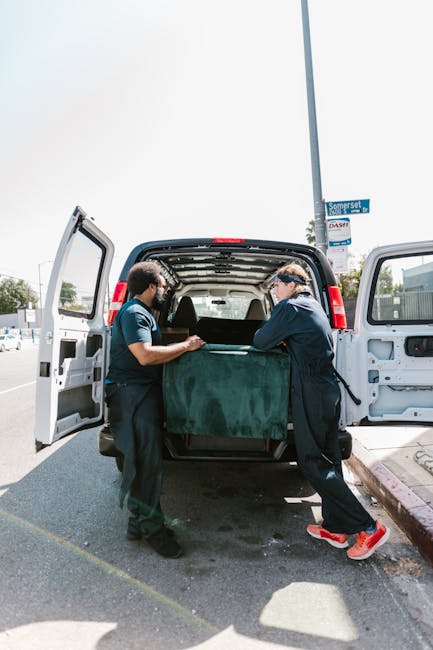
Single-item transport is a core part of man with van work, especially when the customer needs a sofa, bed, wardrobe, appliance or other bulky item collected from one place and delivered to another. The service is designed to make that kind of job more manageable, with attention to safe lifting and secure placement in the vehicle. If the collection includes only one or two pieces, a van-based arrangement can be more sensible than booking a larger removals operation.
Furniture pick-ups may involve collections from sellers, storage units, showrooms or private homes. Each situation is slightly different, so the loading plan should reflect the item shape, weight and any awkward features such as detachable parts or fragile finishes. Related pages such as furniture pick-up and moving van can help customers think through the most suitable option for a specific collection.
If the item needs to be carried through a narrow entrance or negotiated around stairs, it is worth being clear about that in advance so the route can be considered properly. A short list of what is being moved can be enough to begin. Send the item details and, where useful, note access conditions; then we can help you decide whether the job fits a standard van collection or needs a broader removals plan.
Packing, handling and protection
Careful packing is part of protecting goods in transit, even when the move is relatively small. Some customers only need transport, while others want help preparing items so they can travel securely. That may include wrapping delicate surfaces, keeping smaller pieces together and ensuring that loose components do not go missing. The page on packing and unpacking services is useful when the move benefits from a more organised handover.
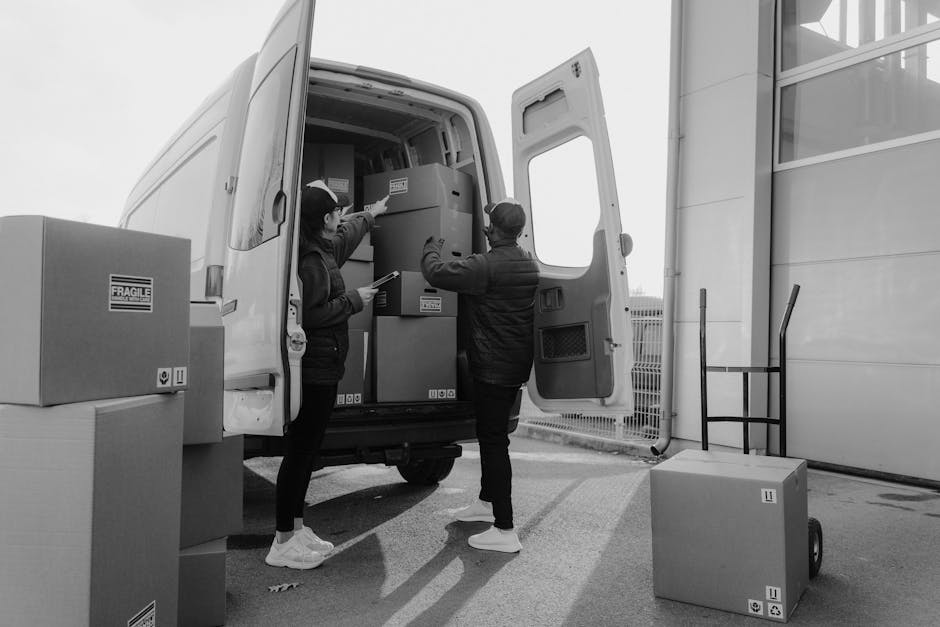
For van-based work, sensible packing often matters more than fancy equipment. Heavier items should sit where they can be supported properly, and lighter items should be placed so they are not crushed or tipped during transit. This is especially relevant for mixed loads where furniture, boxes and household items all need to travel together in one trip.
That approach is also helpful when customers want a collection and delivery service with less handling at the destination. The aim is not to overcomplicate things, but to make sure the load is arranged in a way that suits the contents. If you are comparing service levels, it is sensible to think about whether you need transport only or a more involved service that includes packing support.
Pricing, route planning and quotation factors

The cost of a man with van job usually depends on the volume of items, the travel distance, access at each address and the time needed to load and unload. Some jobs are simple, but others involve stairs, dismantled furniture or multiple stops that make planning more important. The page on pricing and quotes offers a useful starting point when you want to understand how quotations are prepared for different kinds of move.
It is often best to look at the move as a sequence of practical steps: what needs collecting, how far it is travelling, whether it needs carrying upstairs and whether there are items that require extra care. That is why one customer may need only a short local slot while another may need a more detailed arrangement. Clear information at the beginning helps keep the quote aligned with the actual work.
To request a quotation, give as much accurate detail as you can about the items and access at both ends. If the job has more than one stop, or if there are pieces that need dismantling or careful protection, mention that too. A better brief usually means a more useful quote, and it helps the move run in a calmer, more organised way.
How the service is arranged
A well-run van move depends on the order of work as much as the vehicle itself. The plan should cover what is being loaded first, which pieces need the most protection and whether anything requires special attention during delivery. For some jobs, the van is used as a practical bridge between locations; for others, it is part of a fuller moving plan that includes lifting, carrying and placing items in the right rooms.
Customers often find it helpful to prepare a simple inventory before asking for a quote. That does not need to be complicated: a short list of furniture, boxes or appliances can be enough to show the size of the move. If there are items with unusual dimensions, fragile finishes or difficult access, mentioning them early makes the arrangement more accurate.
Where the job involves more than straightforward transport, the related page on removals can help place the service in context. It is not always necessary to book a large-scale move; sometimes the right answer is simply to combine careful loading with a sensible route and the right van size.
About Kentish Town
Kentish Town is a district in north London within the London Borough of Camden, set between Camden Town, Tufnell Park and Gospel Oak. Its name is older than many of the streets now associated with the area, and it reflects a long-established settlement pattern along what became a key route north from central London. The district developed in stages through the nineteenth century as the surrounding countryside was built over, with terraces, railway influence and later infill shaping much of the present streetscape. The area has a strong urban character, but it is also closely tied to nearby open space and established neighbourhood landmarks that help define daily life here. Hampstead Heath lies to the west, while the Regent’s Canal corridor and the wider Camden network connect the district to other parts of north London. Kentish Town station sits on the London Underground Northern line and the Thameslink route, giving the area notable transport connections that have long influenced movement through the district. Local architecture ranges from traditional terraces and converted buildings to more modern additions, and this mix gives the neighbourhood a layered appearance rather than a single uniform style. Cultural life is anchored by venues, independent businesses and everyday high-street activity, with Kentish Town Road forming one of the main local thoroughfares. Nearby green spaces, including smaller parks and squares, provide contrast to the denser street pattern, while the wider borough context links the area to Camden’s theatres, markets and historical routes. Together these features make Kentish Town a recognisable part of inner north London with a clear identity shaped by transport, housing, urban growth and long-standing local use.
When a smaller van move is the right choice

Not every move needs a large vehicle or a complicated booking. A smaller van move is often the better choice when the load is moderate, the route is local and the customer wants a straightforward, controlled way to get items from one place to another. That can apply to students, tenants, first-time movers and people moving selected possessions rather than an entire household. The pages on man with van and man and van can help distinguish the style of service on offer.
Smaller jobs still benefit from proper planning. It is useful to know whether the move includes flat-pack furniture, boxed books, appliances or awkward items that need extra space. A van-based service is also useful when access is limited, because the vehicle can often be positioned more flexibly than a larger lorry. That makes the job more practical without losing the benefit of hands-on loading support.
If you are unsure whether your move is large enough for a standard removal service, it can help to compare the likely load with the available van options. Choose the service that fits the job, not the other way round. For many customers, that means a simple van move with loading help is all that is required.
Safety, care and responsible transport
Safe handling matters on every job, from a single appliance to a fuller household load. Items should be lifted with care, positioned securely and kept stable during transit. Where furniture has sharp edges, glass panels or delicate surfaces, sensible protection reduces the risk of damage. The page on insurance and safety gives a useful overview of the approach to careful transport and risk awareness.
Responsible transport also means understanding the limits of the vehicle and the load. A van should not be treated as a catch-all solution for every possible item unless the size, weight and shape are genuinely suitable. If something is especially heavy, unusually large or awkwardly balanced, it may need a different handling plan. Clear information before the move helps avoid avoidable problems on the day.
Customers who want reassurance about conduct, payment handling or wider service standards may also find the pages on terms and conditions and payment and security useful background reading. Good preparation supports good transport, and that begins with clear communication about the goods, the route and the expected finish point.
Requesting the right quotation

To ask for a quotation, it helps to describe the move in plain terms: what needs collecting, where it is going and whether there are any access restrictions. You do not need to write a long brief, but a few accurate details can make a real difference to how well the job is scoped. The page on contact us is the natural place to start when you are ready to send that information through.
If the move is still being planned, you can also look at removal company and removal companies for a broader sense of how transport services are described and compared. Some customers want a simple quote for a single run, while others need a more considered arrangement with multiple items or stops. Either way, the key is to match the quote to the actual work.
For a quick next step, send the details and ask for a quotation. If you prefer to explore the service first, use the relevant pages above and come back when you are ready. We aim to keep the process practical, clear and easy to understand from the first enquiry to the final collection or delivery.
Useful related removal services
Some customers begin with a simple van job and later realise they need a slightly broader service. That may involve additional carrying help, more organised loading or a different type of move altogether. The website’s related pages, including movers and removal van, can help you compare those options before you commit. The aim is not to overbuy the service, but to choose the right level of support for the load.
Other useful pages cover different ways the transport may be arranged. For example, a customer looking for a straightforward domestic job may prefer house movers or house removalists, while someone with a broader move may need the structure offered by a more traditional removal service. These pages are there to help clarify what kind of move is most suitable.
Wherever possible, keep the decision focused on the items, the access and the distance involved. That is the simplest way to choose between similar services without paying for more than you need or underestimating the work.