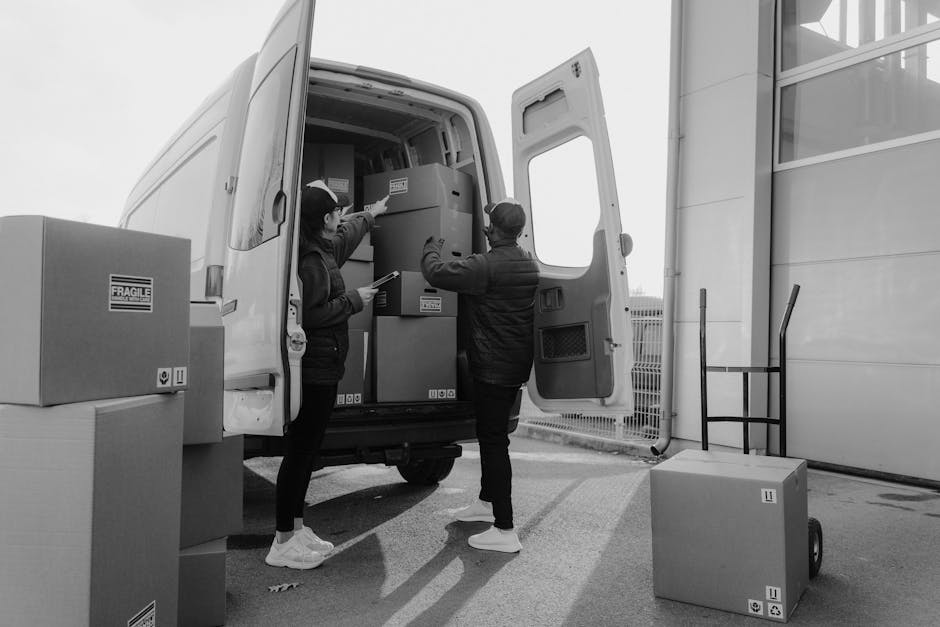
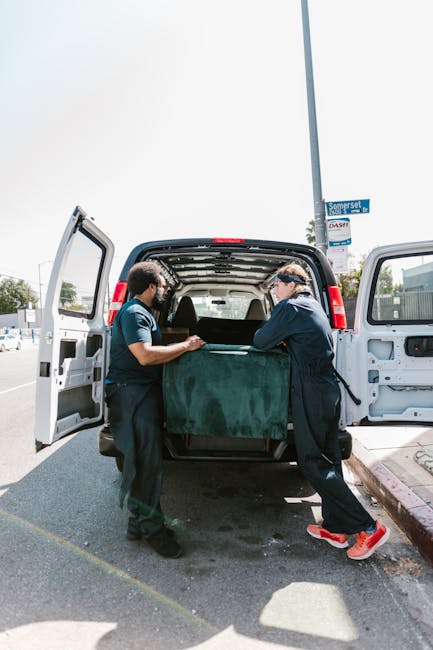
Kentish Town Station Removals Insider Tips for Tight Access
Moving near Kentish Town Station can be a doddle on paper and a bit of a squeeze in real life. Narrow pavements, busy delivery windows, basement flats, top-floor walk-ups, awkward staircases, and the usual London traffic can all turn a simple move into a careful bit of choreography. That is exactly why Kentish Town Station removals insider tips for tight access matter: they help you plan for the parts of the job that are easy to overlook until the van is already outside.
Whether you are shifting a one-bed flat, clearing a family house, or moving office equipment, the difference between a smooth day and a stressful one usually comes down to preparation. In this guide, we will walk through what tight access really means, how to work around it, and which small decisions save the most time, effort, and damaged corners. Truth be told, the best moves in Kentish Town often look boring from the street. That is a compliment.
Why Kentish Town Station removals insider tips for tight access Matters
Station-area moves are often tricky because the surroundings are busy, compact, and not designed with sofa-size optimism in mind. Near Kentish Town Station, access issues can include narrow roads, double parking pressure, shared entrances, limited waiting space, and buildings with steep internal stairs or no lift at all. Add a rainy day or a school run, and the whole thing gets tighter again.
These insider tips matter because tight access changes the whole shape of a removal. It affects how long loading takes, what size vehicle is practical, how many crew members you need, whether extra carrying equipment is worth bringing, and how much packing needs to be done before the van arrives. A good mover will think about those things early, not halfway through a box being squeezed past a bannister.
If you are weighing up a local move, it can help to read more about the area too. Our guide on the benefits and drawbacks of living in Kentish Town gives a useful feel for the local rhythm, while selling property in Kentish Town shows why timings and access planning often overlap in real estate moves.
Practical takeaway: tight access is not just a transport issue. It is a planning issue, a packing issue, and often a timing issue too.
How Kentish Town Station removals insider tips for tight access Works
A tight-access removal near the station usually works best when the job is broken into small, predictable stages. First, someone assesses the property, the building entrance, the stair width, the parking situation, and the walking distance from van to door. Then the mover chooses the right vehicle and loading plan. After that, the packing and carry strategy is matched to the route, not just the inventory.
In practice, this might mean using a smaller van rather than a large one, splitting the load into multiple trips, or parking slightly further away to avoid a dangerous squeeze. It could also mean sending in protective materials early so hallways and thresholds are ready before the heavy lifting starts. Small details. Big difference.
For many local jobs, a flexible service such as man with van in Kentish Town or man and van Kentish Town is a practical fit, especially if you are moving from a flat with awkward access rather than a full detached house with a drive. For more complex loads, the broader removal services in Kentish Town overview helps you compare the different options without guesswork.
Where there are especially constrained buildings, it is common to combine planning with packing support, temporary holding space, or a different vehicle configuration. That is why flat removals in Kentish Town and storage in Kentish Town can be useful supporting services if you are moving in stages rather than all at once.
Key Benefits and Practical Advantages
The biggest benefit of planning for tight access is simple: less chaos on the day. But there are several knock-on advantages that are easy to miss when people focus only on the van size.
- Faster loading and unloading: If the route is mapped properly, the crew wastes less time navigating surprises.
- Lower risk of damage: Door frames, corners, bannisters, and furniture edges are all better protected when the carrying path is known in advance.
- Better cost control: Good planning can reduce the need for unnecessary extra trips or labour time.
- Less stress for you: When access is awkward, even a small delay can make the day feel chaotic. Preparation calms all of that down.
- Smarter packing: A job with stairs or limited turning space benefits from boxes that are stacked and labelled properly.
There is also a trust factor. When a mover asks the right questions early, you know they are thinking like a professional rather than just hoping for the best. And let's face it, hoping for the best is not a great removal strategy.
For local customers comparing service styles, pages like house removals in Kentish Town and furniture removals in Kentish Town are useful because they show how different move types handle access, loading, and handling requirements.
Who This Is For and When It Makes Sense
This approach is especially useful if any of the following sound familiar:
- you live in a flat above ground level with narrow stairs
- your building has a small entrance or an awkward corner at the door
- parking outside is limited or highly time-sensitive
- you are moving near peak traffic or school-run hours
- you have heavy, fragile, or oversized items that need careful handling
- you are moving in or out on a tight timetable
It also makes sense if you are a student, a tenant, or someone doing a partial move. For example, student moves often look small on paper but become fiddly fast because lifts are tiny, corridors are busy, and belongings are packed in a bit of a rush. That is why student removals in Kentish Town can benefit hugely from a simple, structured access plan.
Office moves are another case where access can bite back. Even if the destination is nearby, monitors, filing cabinets, boxes of documents, and IT kit need a clear route and a sensible loading order. If that sounds like your world, office removals in Kentish Town are worth considering alongside the local access check.
And if you are moving at short notice, you may need a service that can adapt quickly. In those situations, same-day removals in Kentish Town can be helpful, provided the access situation has been explained clearly from the start.
Step-by-Step Guidance
Here is a practical way to approach a tight-access move near Kentish Town Station. Nothing fancy. Just the things that genuinely matter.
- Measure the route. Check stairs, door widths, hallway turns, lift dimensions, and any tight corners between the property and the van.
- Take photos. A few phone pictures of the entrance, stairwell, and street can help a mover judge the access more accurately than a quick description.
- Identify parking constraints. Look for red lines, permit bays, loading areas, and spots where a van could reasonably wait without blocking traffic.
- List bulky or awkward items. Sofas, mattresses, wardrobes, fridges, pianos, and desks often dictate the moving plan more than the box count does.
- Book the right size vehicle. A smaller van may be better for a narrow street, even if it means a slightly different loading strategy.
- Pack with access in mind. Use stackable boxes, avoid overfilling, and keep essentials separate so they can be reached first.
- Protect the route. Floor coverings, door protection, and corner guards can be a worthwhile layer of defence in older buildings.
- Set timing carefully. Aim for quieter windows where possible, and build in a bit of buffer. Not too much, just enough.
If the job involves specialist items, planning becomes even more specific. A bulky upright or digital piano, for instance, needs a separate handling plan. For that scenario, piano removals in Kentish Town is the relevant service to look at, because access, weight distribution, and protective wrapping all become part of the move itself.
One very practical point: if you are not sure whether the van can stop directly outside, assume it cannot until proven otherwise. That sounds pessimistic. It is actually just sensible.
Expert Tips for Better Results
These are the little moves that often separate a decent removal from a calm one. None of them are glamorous. All of them help.
1. Keep the load order simple
Heavy items first, fragile items protected and clearly marked, essentials last or separate. If the crew has to keep re-stacking the van because the order is random, time disappears fast.
2. Break the move into carry zones
Think in stages: front door to stairwell, stairwell to landing, landing to van, van to destination. It sounds obvious, but this mental map helps everyone avoid bottlenecks.
3. Use labelled "do not stack" items wisely
Only mark boxes this way when it is truly necessary. Overusing the label can create confusion. One or two clearly fragile boxes are easier to handle than a whole room of warnings.
4. Clear the entry point the night before
A small pile of shoes, a plant stand, and a folded buggy can slow a narrow hallway more than you would think. Clear the path the evening before, then sleep easier.
5. Keep one person in charge of decisions
When access is tight, you do not want three different people giving three different instructions at the doorway. One point of contact keeps the day moving.
For packing support, it is often worth reviewing packing and boxes in Kentish Town. Good boxes, good tape, and sensible wrapping reduce the number of awkward pauses on the staircase. If you are short on materials, the package and boxes Kentish Town page can also point you in the right direction, although packing discipline still matters more than fancy supplies.
Expert reminder: if the route looks tight to you, it will probably feel tighter once there is a mattress in the middle of it.
Common Mistakes to Avoid
Most tight-access problems are not dramatic disasters. They are smaller mistakes that stack up. Here are the ones worth avoiding.
- Underestimating stair width: A route that looks fine empty can become impossible with a sofa angle you did not anticipate.
- Forgetting about parking time limits: A van that has to move twice creates stress, delays, and extra carrying.
- Poor box packing: Overfilled boxes are harder to carry safely and more likely to split on stairs.
- Not telling the mover about restrictions: If there is no lift, a shared entrance, or limited waiting space, say so early.
- Booking the wrong service type: A simple van job is not always enough for heavy furniture or multi-room moves.
- Leaving everything to the last hour: Tight access punishes lateness. A rushed move is usually a messy one.
People also forget to check whether the destination has its own access headaches. The move is not only about the pickup address. If you are unsure how services compare, removal companies in Kentish Town is a sensible place to start, especially when you want to compare support levels rather than just vehicle size.
And if you need a rough idea of what is available across the area, the services overview brings the different moving options together without making you chase twenty tabs around the place.
Tools, Resources and Recommendations
For tight access, the right tools matter, but only if they are matched to the job. Here are the items that tend to earn their keep.
| Tool or Resource | Why It Helps | Best Used For |
|---|---|---|
| Measuring tape | Checks doorways, stair turns, and furniture clearances | Before booking and before moving day |
| Furniture blankets | Helps protect wood, paint, and upholstery | Large items and narrow corridors |
| Corner guards | Reduces knocks on walls and bannisters | Older buildings and tight stairwells |
| Straps and trolleys | Improves control and reduces strain | Heavy or awkward loads |
| Clear box labels | Speeds unloading and room placement | All home and office moves |
One practical recommendation: if the move is anything more than a few light boxes, take photos and send them before the quote is finalised. You can also use the local pricing and quotes page to understand how estimates are usually handled. That makes it easier to compare options fairly, especially when tight access could affect labour time or vehicle choice.
If you want to learn more about the people behind the service, about us gives useful background, and contact is the simplest next step when you need to describe an awkward stair, a restricted street, or a move that just needs a human eye on it.
Law, Compliance, Standards, or Best Practice
For most residential moves, the main point is not legal complexity but good practice. Still, there are a few UK norms worth keeping in mind. Safe lifting, sensible load securing, and careful route planning all matter, and reputable removals teams should work in line with their own safety policies and insurance arrangements.
If a van needs to stop in a restricted bay, on a loading area, or in a busy street near the station, the mover should be aware of local parking rules and should not assume that stopping somewhere "for just a minute" is fine. In London, that assumption can become an expensive lesson very quickly. Better to ask than guess.
For customers, it is also wise to check what is covered by the service and what is not. Policies and terms should be clear, especially around damage responsibility, waiting time, access problems, and cancellations. If you want a straightforward way to review those standards, the relevant pages include insurance and safety, health and safety policy, and terms and conditions.
For broader trust and transparency, it can also help to understand how customer data and website use are handled. The pages for privacy policy, cookie policy, and payment and security support that due diligence. Not exciting reading, admittedly, but useful.
For environmentally conscious moves, especially where multiple trips or decluttering are involved, the recycling and sustainability page is a helpful reminder that removals can be handled with less waste and more reuse where possible.
Options, Methods, or Comparison Table
Different moving methods work better depending on access. Here is a simple comparison to help you decide what fits your situation.
| Method | Best For | Strengths | Trade-offs |
|---|---|---|---|
| Man with a van | Smaller moves, flat contents, flexible timings | Flexible, efficient, usually well suited to tight streets | May not suit very large or heavily specialist moves |
| Full removal team | Whole-house or larger flat moves | More hands, more structure, better for heavy furniture | Can cost more and may need more planning |
| Partial packing plus van | People who want help with the hardest parts | Good balance of support and control | Requires a clear list of what stays with you |
| Storage plus staged move | Renovations, delays, or access bottlenecks | Reduces pressure on the moving day itself | Extra handling step, so it needs careful labelling |
If your move is a simple flat-to-flat transfer, a van-based service often makes the most sense. If you have bulky furniture, several floors of stairs, or awkward items like wardrobes and fragile tables, a more structured service may be the safer choice. That is where man with van Kentish Town, removal van Kentish Town, and house removals Kentish Town can each make sense in different ways.
Case Study or Real-World Example
Imagine a second-floor flat not far from Kentish Town Station. The street is narrow, the entrance is shared, and the staircase turns sharply at the half landing. The move includes a sofa, a bed frame, three book boxes, a desk, and assorted kitchen bits. Nothing outrageous. But enough to become awkward if handled casually.
In a move like that, the most useful decision is usually to reduce friction before anyone lifts anything. The bed is dismantled the night before. Boxes are kept small enough to carry safely. The sofa is measured against the hallway. The mover is told about the stair turn in advance, so a two-person carry plan is prepared. Parking is checked and a backup spot is identified a short walk away. Not glamorous, but it works.
On the day, the crew starts with the bulkiest item while the route is still clear. The stairwell is protected. Boxes are stacked by room rather than dumped in one pile. Ten minutes of careful planning saves half an hour of shuffling later. And because the access issues were discussed early, nobody is surprised when the van cannot pull directly to the front door. That kind of honesty makes the day feel manageable.
One small detail made the difference: the customer had separated essentials into a single clearly marked bag. Kettle, charger, toiletries, clean shirt. That bag was a tiny win at 7:40 in the evening when the rest of the place still looked like a cardboard mountain. Little things matter.
Practical Checklist
Use this checklist before a tight-access move near Kentish Town Station. Print it, copy it into your phone, scribble on it. Whatever works.
- Measure doors, stairs, and key corners
- Take photos of the entrance and street
- Check parking restrictions and loading options
- List all bulky or fragile furniture
- Tell the mover about lifts, stairs, and narrow corridors
- Choose the right vehicle size for the street
- Pack heavy items into smaller boxes
- Label boxes by room and priority
- Protect floors, corners, and banisters where possible
- Keep essentials in one separate bag or box
- Confirm timing, access notes, and contact details the day before
- Have a backup plan for parking or short waiting delays
Quick reminder: if your plan feels a bit too optimistic, it probably is. Tight access rewards realism.
Conclusion
Moving near the station does not have to be stressful, even when access is tight. The secret is to plan around the building and the street, not just the items you are moving. Measure properly, pack sensibly, choose the right vehicle, and make sure everyone involved knows where the pinch points are before moving day arrives.
That is the real value of Kentish Town Station removals insider tips for tight access: fewer surprises, fewer delays, and a move that feels organised instead of chaotic. Whether you are shifting a flat, handling office equipment, or dealing with a bulky item that needs careful handling, a little forethought goes a long way. And if you are unsure about the best approach, asking early is never a bad move. Never.
Get a free quote today and see how much you can save.
When the boxes are stacked and the kettle is finally unpacked, what you remember most is usually not the stress. It is the quiet relief of a move that actually worked.
Frequently Asked Questions
What does tight access mean for a Kentish Town Station removal?
Tight access usually means there are physical or logistical limits that make loading and unloading harder, such as narrow stairs, small doorways, no lift, limited parking, or a long carry from the van to the property.
How do I know if my move needs a smaller van?
If your street is narrow, parking is limited, or the property is hard to reach, a smaller van may be easier to position safely. The best choice often depends on both the access and the amount of furniture.
Should I measure my furniture before booking?
Yes, especially for sofas, wardrobes, beds, and desks. Measurements help the mover judge whether items will fit through doorways, stair turns, and landings without unnecessary trouble.
Is it better to move early in the morning near the station?
Often, yes. Early starts can mean lighter traffic and fewer interruptions, though it still depends on parking rules and the building's own access situation.
What should I tell the mover before the day of the move?
Tell them about stairs, lifts, parking, restricted access, heavy items, fragile pieces, and any time constraints. A few clear details upfront can prevent a lot of last-minute stress.
Can a man and van service handle tight access?
Yes, in many cases it can. A man and van setup is often a good fit for smaller moves, flat moves, or jobs where flexibility matters more than a large team.
What if my furniture is too big for the stairs?
If an item is too large for the route, it may need to be dismantled, carried differently, or moved using another plan. That is why measurements and photos are so useful before moving day.
Do I need packing help for a tight-access move?
Not always, but good packing makes a big difference. Smaller, well-labelled boxes are easier to carry on stairs and less likely to be damaged in a narrow space.
How can I reduce the risk of damage in a narrow hallway?
Clear obstacles, protect corners and floors where possible, and keep the route open. Using blankets, covers, and good handling technique helps too.
What if parking outside the property is impossible?
Then the mover may need to use a nearby legal spot and carry items a short distance. This should be discussed beforehand so the time and labour plan is realistic.
Are storage and staged moves useful for difficult access?
Yes. If the property is awkward or if timings do not line up neatly, storage can make the move less rushed and easier to manage in stages.
How do I get a proper quote for a tight-access move?
Send accurate details, photos, an inventory, and any access notes. The more precise the information, the more useful the quote will be. For the next step, the pricing and quotes page and contact page are the most direct places to start.